Keeping the Faith Alive

EN | ES

Christian Persecution Today

The Global Crisis Facing the Faithful

No one ever said that following Christ would be easy. In fact, Christ himself promised that followers would have to be willing to go as far as he went. In the early years of the Church, that certainly proved to be the case. And now, 2,000 years after Christ’s Passion, Crucifixion, and Resurrection, the persecution of Christians seems to be more widespread than ever.

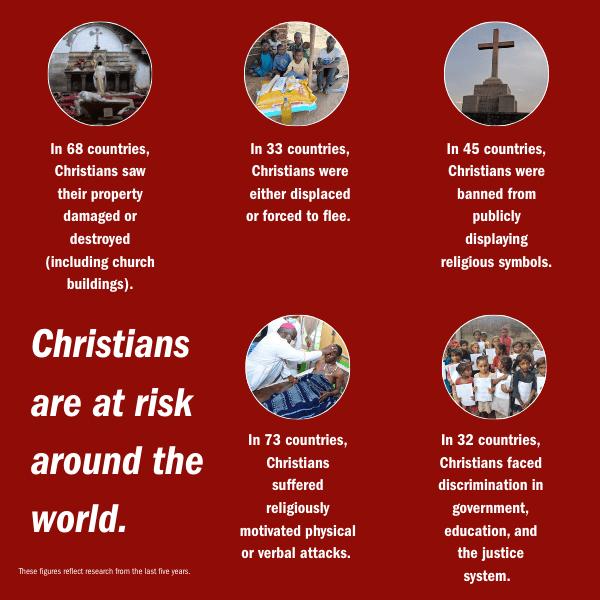
Christian Persecution has reached unprecedented levels across the globe. According to Aid to the Church in Need’s Religious Freedom in the World Report 2025—the largest in its 25-year history at 1,248 pages—believers face systematic targeting in 25 countries, with discrimination documented in 38 more. From the deadly jihadist violence sweeping Africa’s Sahel region to the authoritarian crackdowns in Nicaragua and North Korea, the persecuted Church endures grave threats to religious freedom on every continent.

Vatican Secretary of State Cardinal Pietro Parolin called these findings “worrying,” underscoring an urgent reality: anti-Christian violence, ethno-religious nationalism, and organized crime are driving millions from their ancestral homes and silencing their faith.

"Take up your cross and follow me." — The Lord Jesus Christ "Because you do not belong to the world, but I have chosen you out of the world — therefore the world hates you." — John 15:19

What Is Christian Persecution?

Christian persecution is defined as grave and repeated acts of violence or harassment targeting believers because of their faith. It can be perpetrated by governments, armed groups, or individuals. Persecution manifests through outright attacks, threats, forced conversions, abductions, destruction of churches, and systematic efforts to drive away or silence Christian communities.

Closely related is religious discrimination—legal or social restrictions that limit Christians’ rights to worship, access employment, education, or justice. When authorities fail to protect believers or tacitly approve mob violence, the line between private hate crimes and state-sanctioned persecution blurs, leaving victims without legal recourse.
The Four Drivers of Christian Persecution Today

Aid to the Church in Need has identified four primary drivers fueling the global persecution of Christians:

Authoritarianism

In countries like North Korea, Eritrea, China, Iran, and Nicaragua, authoritarian regimes deploy surveillance, restrictive legislation, and violent repression to suppress religious life. Christians who operate outside state control face imprisonment, torture, or forced disappearance.

Ethno-religious Nationalism

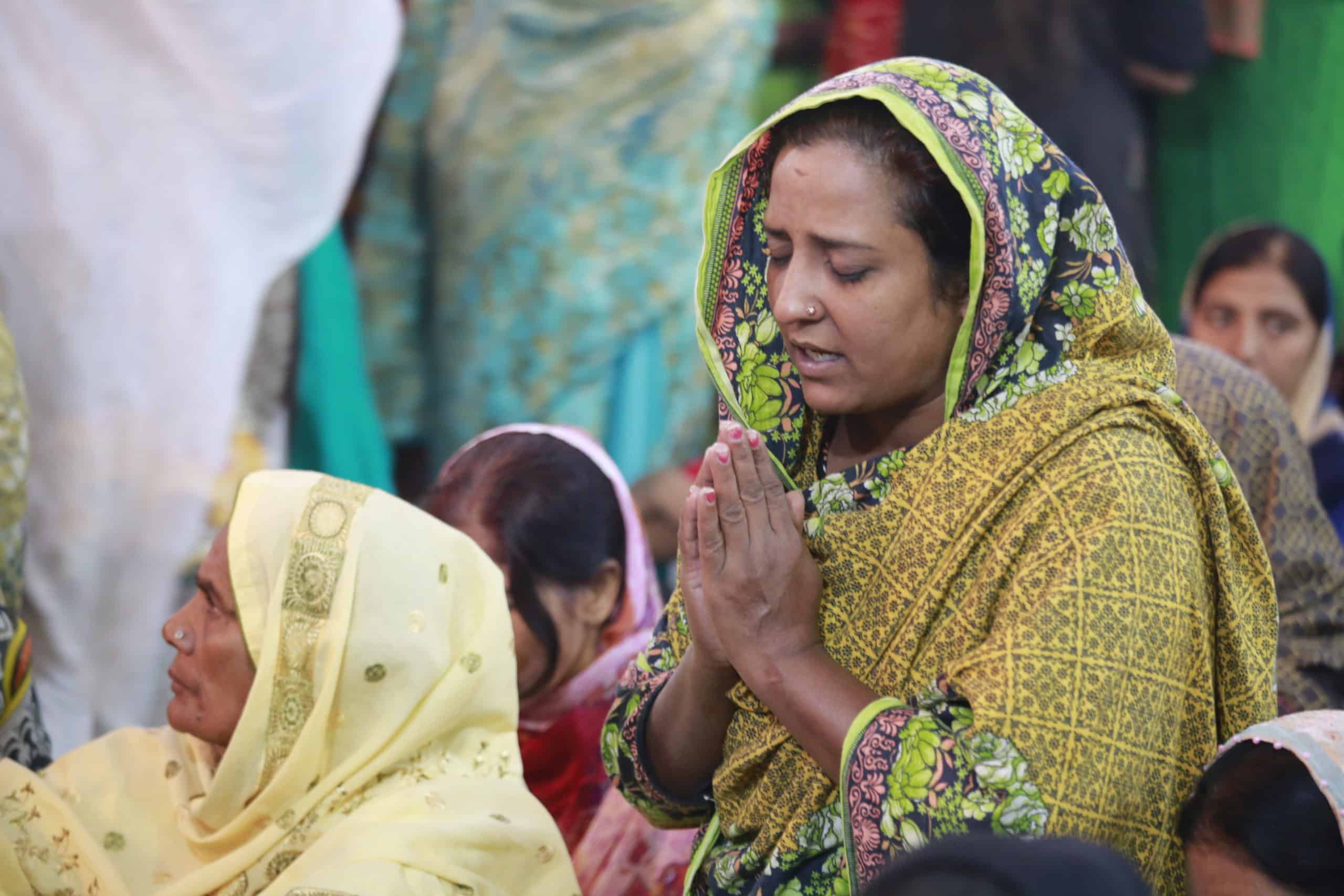
This ideology promotes a single ethnic and religious identity as a requirement for "authentic" citizenry. In India and Pakistan, for example, nationalist policies marginalize Christians who face intolerance, discriminatory laws, and direct violence for not conforming to the dominant religious identity.

Religious Extremism

Terrorist and militant groups claiming religious legitimacy—including the Taliban, Boko Haram, Islamic State affiliates, al-Qaeda, and al-Shabab—systematically target Christian communities through mass killings, abductions, forced conversions, and destruction of churches and schools.

Organized Crime

When criminal organizations seek territorial control and encounter resistance from religious leaders who defend victims and denounce injustice, priests, pastors, and lay activists become targets. In Mexico and Haiti, clergy are attacked or killed for opposing extortion and drug trafficking.

Where Are Christians Persecuted Most? Regional Breakdown

Africa: The Deadliest Arena for Christian Persecution

Africa has emerged as the epicenter of Jihadist activity worldwide. The Sahel region—stretching from Senegal to Sudan—accounts for over half of all terrorism-related deaths globally in 2024.

Burkina Faso alone accounted for 20% of worldwide terrorism deaths, making it the most dangerous country on earth for the persecuted Church.

Key Statistics:

  • Over 2 million people displaced in Burkina Faso due to religious violence
  • At least 30 parishes closed in Burkina Faso due to insecurity
  • 100+ Christians killed in the Zekuy-Doumbala region between May–August 2024
  • Armed groups now control 40–50% of Burkina Faso’s territory

In Nigeria—Africa’s most populous nation—Christians face relentless attacks from Boko Haram, Islamic State West Africa Province (ISWAP), and militant Fulani herdsmen. On Christmas Day 2023, coordinated attacks in Plateau State killed nearly 300 Christians. Bishop Wilfred Anagbe of Makurdi reports that 15 parishes in his diocese alone have closed due to violence. Over 25 priests and seminarians were kidnapped in 2023–2024.

In Mozambique’s Cabo Delgado province, Islamic State-affiliated militants have intensified anti-Christian campaigns, burning churches, demanding conversion or payment of the jizya tax, and displacing over 1 million people since 2017.

Middle East: Ancient Christian Communities Under Threat

Christians in the Middle East, whose roots date back to Apostolic times, continue to struggle with hostile regimes and non-state actors, as well as crushing economic trends. Despite the 2017 territorial defeat of ISIS, these ancient communities remain vulnerable.

In Syria, the December 2024 regime change brought uncertainty as the new Islamist-led government’s interim constitution declares Islamic jurisprudence “the principal source of legislation.” In June 2025, a devastating suicide attack on Mar Elias Church in Damascus killed at least 25 people—the deadliest attack in Damascus in years.

In Lebanon—home to the Arab world’s highest percentage of Christians—the 2024 Israeli-Hezbollah conflict displaced hundreds of thousands. Yet amid the crisis, interfaith solidarity emerged: Bishop Hanna Rahmé opened Christian homes to displaced Muslims, and the Good Service Sisters welcomed 800 refugees in the span of 12 days.

Asia: From Totalitarian Repression to Mob Violence

North Korea. While Africa’s Sahel region is the deadliest arena for persecution, North Korea remains the world’s single most dangerous country for Christians. Being discovered as a Christian is tantamount to a death sentence. An estimated 520,000 believers practice in secret, risking labor camps, torture, and execution. China forcibly repatriates defectors who may have encountered Christianity, effectively enabling Pyongyang’s persecution.

In China, intensified Sinicization campaigns subjugate Christian congregations under ideological conformity. 2024 regulations mandate Christians’ alignment with “socialist values” and prohibit religious education for minors.

India exemplifies “hybrid persecution”—combining state-led legal suppression with social violence. Christians suffered 834 documented attacks in 2024 alone. Anti-conversion laws in 12 states are selectively enforced against Christians while “reconversion” drives to Hinduism face no prosecution. The 2023–2024 Manipur crisis saw hundreds killed, approximately 500 churches destroyed, and entire Christian villages razed.

In Pakistan, blasphemy accusations have exploded from 11 imprisoned in 2020 to 767 by mid-2024. The August 2023 Jaranwala attacks saw mobs destroy 22 churches and burn 90+ Christian homes. Young Christian and Hindu girls face systematic abduction, forced conversion, and marriage to their captors.

Latin America: Authoritarianism and Criminal Violence

Christians in traditionally Catholic Latin America face serious restrictions on the practice of their faith for several reasons, primarily because of authoritarian regimes and organized crime. These regimes often resort to defamation campaigns and media pressure on critical religious leaders, while co-opting sympathetic leaders and promoting the creation of a “pro-government Church” that supports the regime’s narrative.

Nicaragua has become one of the worst persecutors of Christians in the Western Hemisphere. President Daniel Ortega’s regime has expelled bishops, imprisoned clergy, banned public processions, confiscated Church property, and cancelled the legal status of 1,500 religious organizations. Holy Week processions have been banned since 2023, with 14,000 police deployed to prevent them.

In Cuba, the Communist regime maintains total control over religious life through the Office of Religious Affairs. New criminal codes impose up to 10 years imprisonment for criticism of the socialist state. Over 50 robberies and burglaries of parishes were reported in 2023–2024 alone.

Mexico ranks among the world’s most dangerous places for pastoral work. Ten priests were murdered during the last presidential term, with approximately 900 extortion cases targeting Church members. Drug cartels demand protection payments from churches, with some demanding $1,500 monthly to allow worship services.

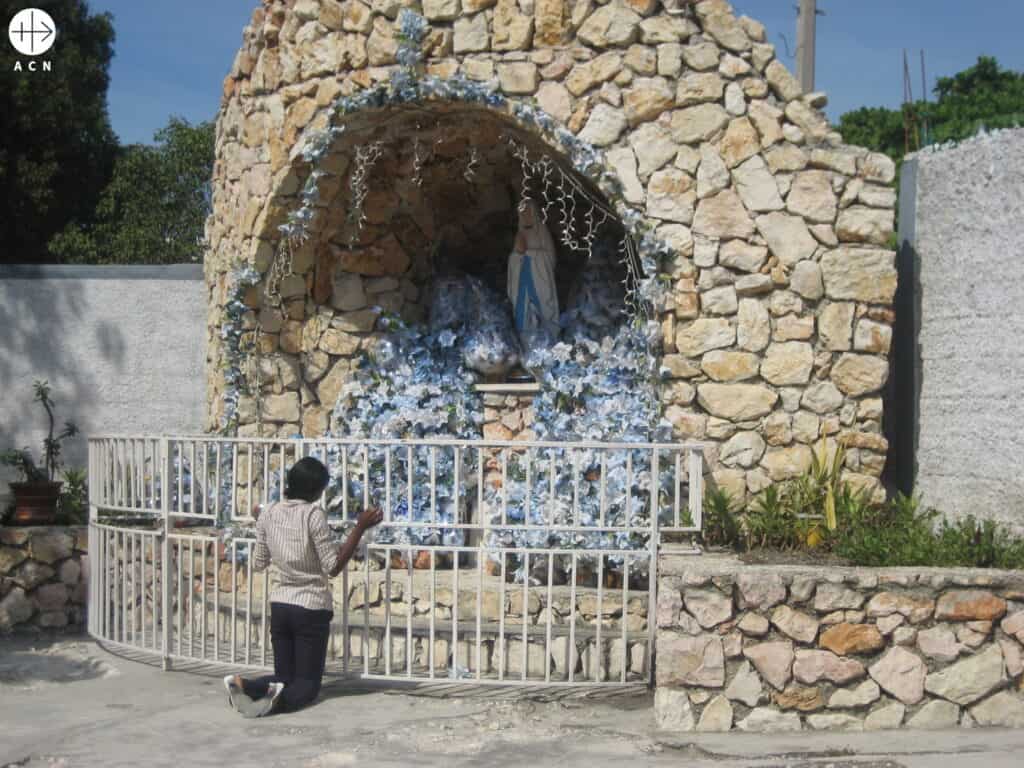
In Haiti’s collapsed state, criminal gangs control much of the territory. Around 70 parishes have been abandoned or suspended activities. In March 2025, two religious sisters were murdered alongside civilians by armed gangs—highlighting the vulnerability of religious communities in this humanitarian catastrophe.

Europe and North America: Rising "Polite Persecution"

Even Western democracies witness increasing anti-Christian incidents. Pope Francis termed this “polite persecution”—subtle legal, cultural, or institutional pressures. However, violent attacks are also rising: church arsons increased 44% in Western Europe. In the UK, 9,648 criminal acts involving churches were recorded between 2022–2024. The U.S. Conference of Catholic Bishops documented 56 attacks on Church properties in 2024, including arson and explosive devices.

The Human Impact: What Christian Communities Endure

The persecution of Christians encompasses devastating physical, psychological, and social consequences. Believers suffer murder, abduction, forced conversion, forced marriage, imprisonment, and torture. The trauma extends across generations, causing depression, anxiety, and PTSD.

Communities face displacement, poverty, and the erasure of their heritage. When Christians emigrate to escape violence, societies lose religious diversity—opening the door to sectarianism and widening gaps with regions where pluralism exists.

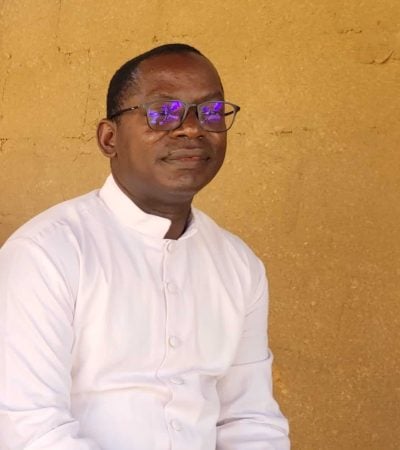
Bishop Habila Daboh of the Diocese of Zaria, Nigeria sees the horror inflicted on his people every day. The terror brought by Boko Haram is a constant reminder that the faithful cannot rest, that there is always evil ready to strike. But the bishop sees something else as well.

“My people are a happy people. Despite the difficulties, despite their poverty, despite the persecution, my people remain a happy people,” he says. “They are happy, because they have Christ.”

Voices from the Persecuted Church: Testimonies of Faith Under Fire

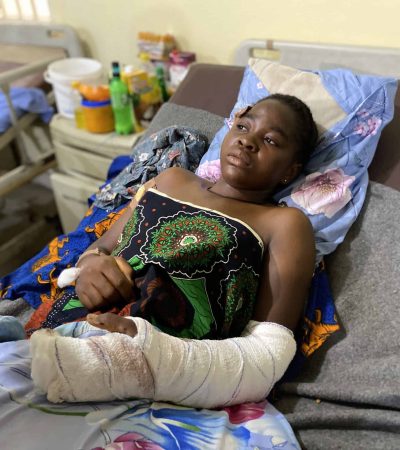
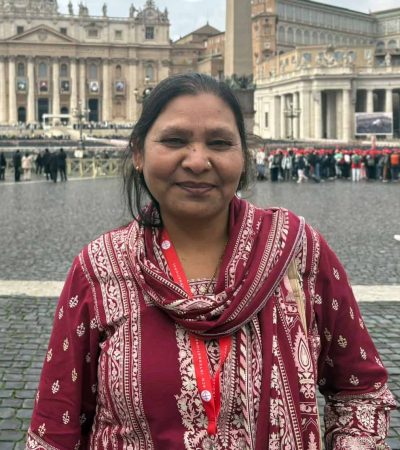
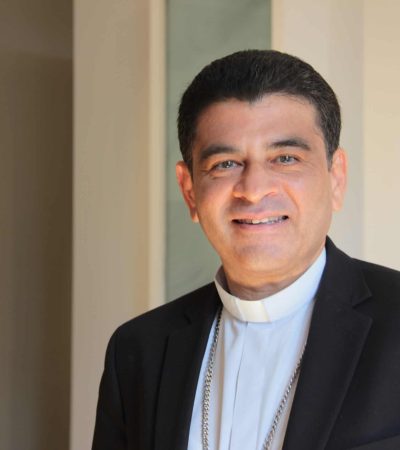
Behind the statistics are real people whose faith endures despite unimaginable suffering:

New Frontiers of Persecution: Technology as a Weapon

Christian persecution increasingly exploits digital tools. In countries like China, North Korea, and Pakistan, artificial intelligence, surveillance networks, and social media monitoring are used to profile and penalize religious expression. Blasphemy accusations increasingly originate from social media content, with organized networks scanning platforms to identify alleged offenses. This digital dimension transforms religious faith into a perceived security threat, enabling persecution at an unprecedented scale.

What Societies Lose When Christians Are Persecuted

Christians have endured intimidation campaigns by both State and non-State actors, with the goal of eradicating their presence, even in Christianity’s most ancient homes. While war has contributed to a dismal outlook for all people of faith, the presence of believers and their ability to act freely within their societies contribute to harmony and stability. Persecution and discrimination often lead victims to emigrate. But the resulting loss of religious diversity simply opens the door to sectarianism, widening the gap with other regions of the world where pluralism exists.

In spite of many challenges, religious communities continue to demonstrate remarkable resilience, actively engaging in peacebuilding and delivering essential humanitarian assistance. From Mozambique’s Cabo Delgado region to Burkina Faso, interfaith initiatives have shown that religious freedom can serve as a foundation for unity and a safeguard for human dignity. Education plays a critical role in this process—fostering social cohesion, affirming the equal worth of all individuals, and empowering minority groups both culturally and economically.

How Aid to the Church in Need Responds to Christian Persecution

Since 1947, Aid to the Church in Need has supported persecuted Christians through emergency relief, pastoral support, and advocacy. As Pope Leo XIV stated when receiving the Religious Freedom in the World Report 2025: our mission “has been to foster forgiveness and reconciliation, and to accompany and give a voice to the Church wherever she is in need, wherever she is threatened, wherever she suffers.”

Our Response Includes:

  • Emergency humanitarian assistance to displaced Christian families
  • Rebuilding destroyed churches and community infrastructure
  • Supporting seminaries, religious formation, and clergy sustenance
  • Trauma counseling and psychosocial care for survivors
  • Advocating globally through the Religious Freedom Report
  • Supporting interfaith dialogue and peacebuilding initiatives

Stand with the Persecuted Church Today

The persecuted Church needs your solidarity. Despite facing death, imprisonment, and exile, Christians worldwide demonstrate remarkable resilience—continuing to worship, serve their communities, and be a witness to their faith.

You can make a difference:

Pray — Join our global prayer network for persecuted Christians

Give — Your donation provides emergency aid, rebuilds churches, and supports suffering believers

Advocate — Share these stories and call on leaders to protect religious freedom

Learn — Download the full Religious Freedom in the World Report 2025

“Blessed are those who are persecuted for righteousness’ sake, for theirs is the kingdom of heaven.” — Matthew 5:10

Together, we can ensure that no Christian suffers alone.

Special Reports

Hear Her Cries
Kidnapping and Abuse of Christian Women

Persecuted and Forgotten
Global Report on Christian Oppression

Nigeria at the Crossroads
Faith, Violence, and National Future

Scroll to Top

Thank you for Keeping the Faith Alive